Learn what to expect from a demolition contractor Knoxville TN,...
Read MoreWhat to Expect From a Demolition Contractor in Knoxville TN
Planning a demolition project involves more than removing walls, structures, or unwanted materials. Property owners must consider safety, permits, debris disposal, and site access before work begins. Hiring a reliable demolition contractor in Knoxville TN can help you understand these requirements, plan the work, and avoid preventable delays. Knowing what happens before, during, and after demolition also makes it easier to compare estimates and prepare your property for its next stage.
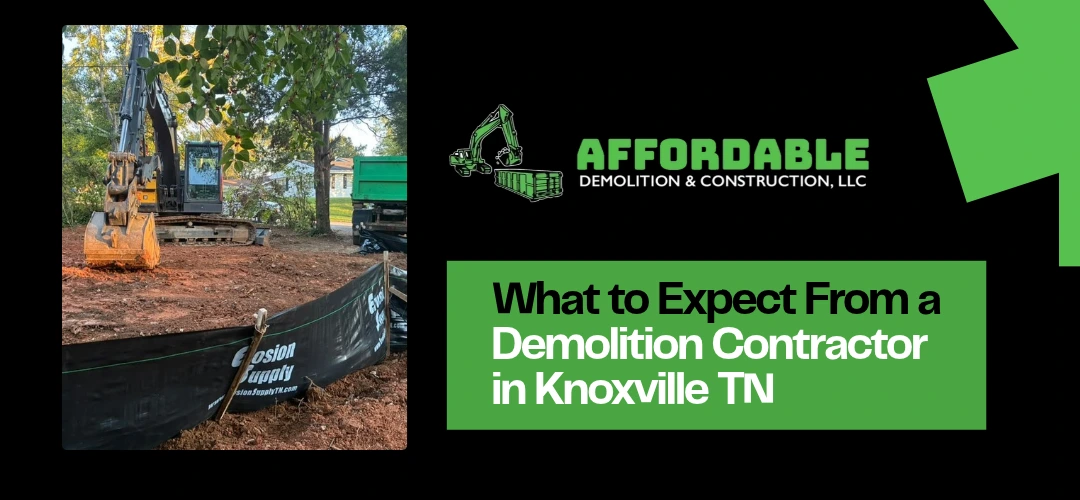
1. An Initial Site Assessment
The process usually starts with a site visit or project assessment. The contractor reviews the structure, identifies materials, checks equipment access, and considers potential hazards. Removing an interior wall requires different preparation from demolishing a detached garage or an entire building.
Explain your goals, timeline, and concerns about neighboring structures, utilities, or landscaping. Photographs and property plans can help clarify the scope.
Ask whether the assessment includes identifying hazardous materials that may require specialist inspection. Older buildings can contain asbestos or lead-based paint that should not be disturbed without appropriate precautions. Identifying these concerns early helps prevent unexpected interruptions.
2. A Clear Scope of Work and Written Estimate
Before work begins, understand exactly what the contractor will remove and what will remain. The estimate should describe the demolition area, preparation, debris handling, cleanup, and exclusions that could affect the final cost.
When comparing demolition contractors Knoxville TN, look beyond the total price. One estimate may include hauling and disposal, while another may charge separately. Differences in labor, equipment, and site protection can also affect overall value.
Ask these questions before signing:
- Which structures or materials are included?
- Are permits and utility coordination included?
- How will debris be disposed of?
- What circumstances could cause additional charges?
- What cleanup will be completed afterward?
A detailed estimate helps you compare providers fairly and reduces misunderstandings once work begins.
3. Permits, Utilities, and Site Preparation
Demolition may require permits or approvals depending on the project and local regulations. Ask the contractor which permits are necessary and who will obtain them. Confirm whether inspections and utility disconnections must happen before work starts.
Water, electricity, and gas may need to be disconnected or secured. Never assume these tasks are included in the quoted price. Clarify responsibilities with the contractor and relevant utility providers.
Preparation also involves establishing safe access, protecting areas that will remain, and informing neighbors when work could affect nearby properties. If the property shares walls or access points with another building, discuss protection measures before approving the project.
4. Safety Measures During Demolition
Demolition involves potential hazards from falling materials, dust, sharp debris, heavy machinery, and unstable structures. A professional contractor should explain how the work area will be secured and how risks will be managed.
Ask about barriers, protective equipment, dust control, equipment operation, and procedures for keeping residents away from active work zones. If demolition takes place near an occupied building, clarify how surrounding areas will be protected.
Depending on the project, demolition services Knoxville TN may involve interior removal, partial structural demolition, or complete structure removal. Each requires planning suited to the materials, site conditions, and intended outcome.
Explain whether you want specific components preserved, such as cabinets, plumbing fixtures, or sections of flooring. You should also receive a realistic schedule and updates if unexpected conditions arise. Hidden structural damage or unidentified materials can change the work plan, making timely communication important.
5. Debris Removal and Responsible Disposal
Demolition can generate wood, concrete, brick, drywall, metal, roofing materials, and insulation. Some materials may be recyclable, while others require disposal through appropriate facilities.
Ask how the contractor will sort, transport, and dispose of waste. Confirm whether hauling and disposal fees are included. If hazardous materials are discovered, work may need to pause until qualified specialists assess them.
A clean work area improves access and reduces obstacles. However, demolition contracts do not always include grading, landscaping restoration, or preparation for new construction. Specify these tasks if you expect them to be part of the finished project.
Explain how you plan to use the site afterward. Preparing for a new building, expanding a driveway, or clearing an unwanted structure may require different levels of cleanup.
6. Compare Estimates and Confirm Final Deliverables
The lowest estimate may not provide the best value if essential tasks are excluded. Compare proposals by reviewing their scope, schedule, insurance information, cleanup provisions, and procedures for handling unexpected work.
For a more informed comparison, Knoxville demolition planning should include both the removal work and the condition you expect the property to be left in. Ask each contractor to specify what the site will look like after completion.
Before signing, confirm payment terms, project milestones, change-order procedures, and how delays will be communicated. Keep copies of the estimate, contract, permits, and relevant correspondence.
When the work is finished, inspect the site with the contractor. Check that the agreed materials have been removed, debris has been addressed, and promised cleanup has been completed. Raise outstanding concerns before treating the project as finished.
Work With Affordable Demolition & Construction LLC
Affordable Demolition & Construction LLC helps property owners plan demolition projects with attention to scope, safety, debris removal, and site preparation. Discuss your project requirements, timeline, and cleanup expectations with the team. Contact us today to discuss your project and request an estimate.
Frequently Asked Questions
Timing depends on the structure, project size, permits, site access, and disposal requirements. Request a schedule before work begins.
Not always. Confirm whether hauling, disposal fees, and final cleanup are included in the written estimate.
Confirm permit requirements, utility disconnections, access arrangements, and hazardous-material concerns with the appropriate professionals.
Review written scopes, insurance details, timelines, disposal arrangements, exclusions, and procedures for additional charges before choosing a contractor.
Recent Posts
What to Expect From a Demolition Contractor in Knoxville TN
Learn what to expect from a demolition contractor Knoxville TN,...
Read More
How Demolition Knoxville TN Prepares Properties for Renovation
Affordable Demolition & Construction LLC helps prepare properties for renovation...
Read More
How Junk Removal Knoxville TN Handles Bulky Household Items
Discover how junk removal Knoxville TN handles bulky items. Affordable...
Read More
Garbage Dumpster Rental Knoxville, TN for Property Managers
Need garbage dumpster rental Knoxville, TN? Affordable Demolition & Construction...
Read More
Compare Demolition Contractor Estimates Knoxville TN
Compare demolition estimates Knoxville, TN for project costs and debris...
Read More
Dumpster Rental Knoxville TN for Easier Cleanups
Learn what to ask a demolition contractor Knoxville TN about...
Read MoreOffice Timming
Mon - Sat 8:00am - 6:30pm

Copyright © 2025
Design & Developed with ♥ by